Product Description
Thin Layer Chromatography is a process that is used to separate various components of a mixture for analyzing the different components. It is mainly used to identify the number of components in a mixture, to know their purity and other important elements. The method is actually a sensitive technique and it may take a time period of almost 5 minutes to 10 minutes. The method consists of three important steps and these steps are spotting, development and then visualization respectively.
First the mixture is mixed with a little amount of a volatile liquid and then it is dropped on a glass plate where a desiccant such as silica gel is placed in the form of thin layer coating. The volatile liquid evaporates and leaves a spot and hence the process of spotting is completed. Now the glass plate that is also known as the TLC plate is immersed in a development solvent. A number of changes may take place and this may also included the shifting of the spot mark, this is later marked by a pencil. There can be various compounds without color and thus visualization step is required in which the plate is touched with a fluorescent material so that the spot is clearly visible.
There are a number of places where the method of thin layer chromatography can be used such as industries of traditional medicines, biological activities and plant biotechnology.
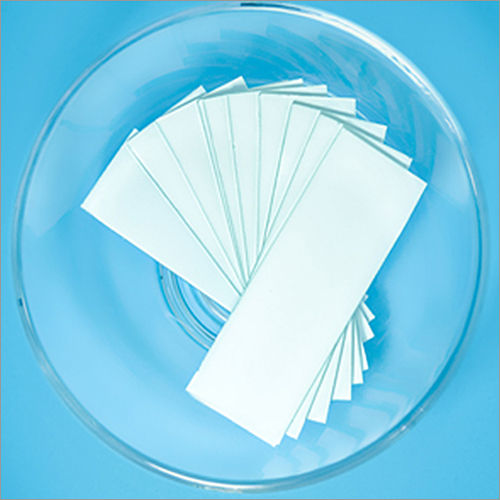
Reliable Separation TechniqueThin Layer Chromatography (TLC) plates, crafted with silica gel G and bonded via calcium sulfate dihydrate, offer consistent and high-resolution separation of complex mixtures. Their design ensures dependable qualitative and quantitative results across various laboratory applications, including pharmaceuticals, forensics, and environmental testing.
Versatile Laboratory ApplicationsTLC plates support a broad spectrum of analytical needs, such as identifying chemical compounds, monitoring reaction progress, and confirming sample purity. Their adaptable format and secure moisture-resistant packaging make them suitable for rigorous laboratory settings globally, with usage spanning quality assurance, environmental surveys, and legal investigations.
FAQs of Thin Layer Chromatography:
Q: How should Thin Layer Chromatography plates be stored for maximum shelf life?
A: TLC plates should be stored in a sealed box in a cool, dry environment. Proper storage protects them from moisture and environmental contaminants, helping maintain their effectiveness and extend their shelf life up to 24 months if unopened.
Q: What is the main process for using TLC plates in compound separation?
A: The process typically involves applying a sample to the plate, developing the chromatogram in a suitable solvent, and visualizing separated spots. The silica gel layer enables compounds to be separated based on their polarity due to differences in interaction with the stationary phase.
Q: When is TLC recommended over other chromatographic methods?
A: TLC is preferred when rapid qualitative analysis is required, especially for screening multiple samples or for preliminary work in pharmaceutical, forensic, and environmental laboratories. It is cost-effective and does not need complex instrumentation.
Q: Where can TLC plates be effectively utilized?
A: TLC plates are commonly used in laboratory settings such as pharmaceuticals for quality control, forensic labs for sample screening, and environmental testing facilities for analyzing pollutants and contaminants in water, soil, or air samples.
Q: What is the advantage of using silica gel G with calcium sulfate dihydrate as the adsorbent?
A: Silica gel G provides excellent separation capabilities, while calcium sulfate dihydrate acts as a binder to enhance plate durability and uniform coating. This combination ensures sharp resolution and reproducibility in chromatographic analyses.
Q: Can TLC plates be customized for specific research needs?
A: Yes, while the standard size is 20 x 20 cm, custom sizes are available to accommodate unique experimental requirements. This flexibility allows laboratories to tailor plate dimensions based on sample volume and analysis scale.



 Send Inquiry
 English
 Spanish
 French
 German
 Italian
 Chinese (Simplified)
 Japanese
 Korean
 Arabic
 Portuguese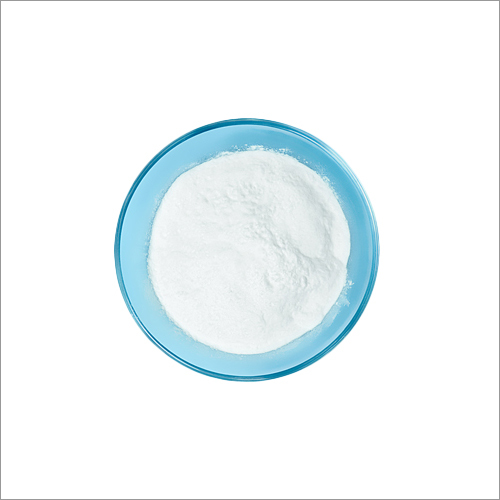




 Send Inquiry
 Call Me Free
